Stock Market Trends Shaping Retail Investors
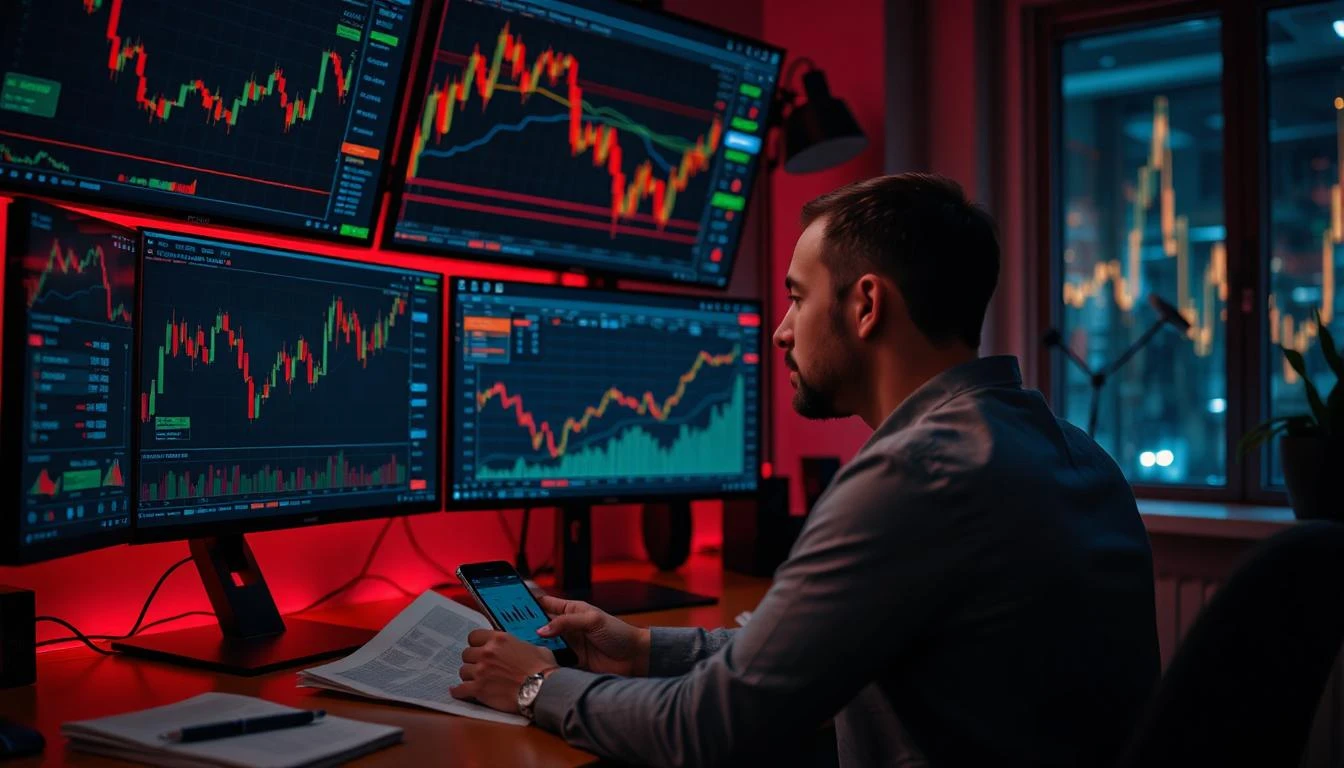
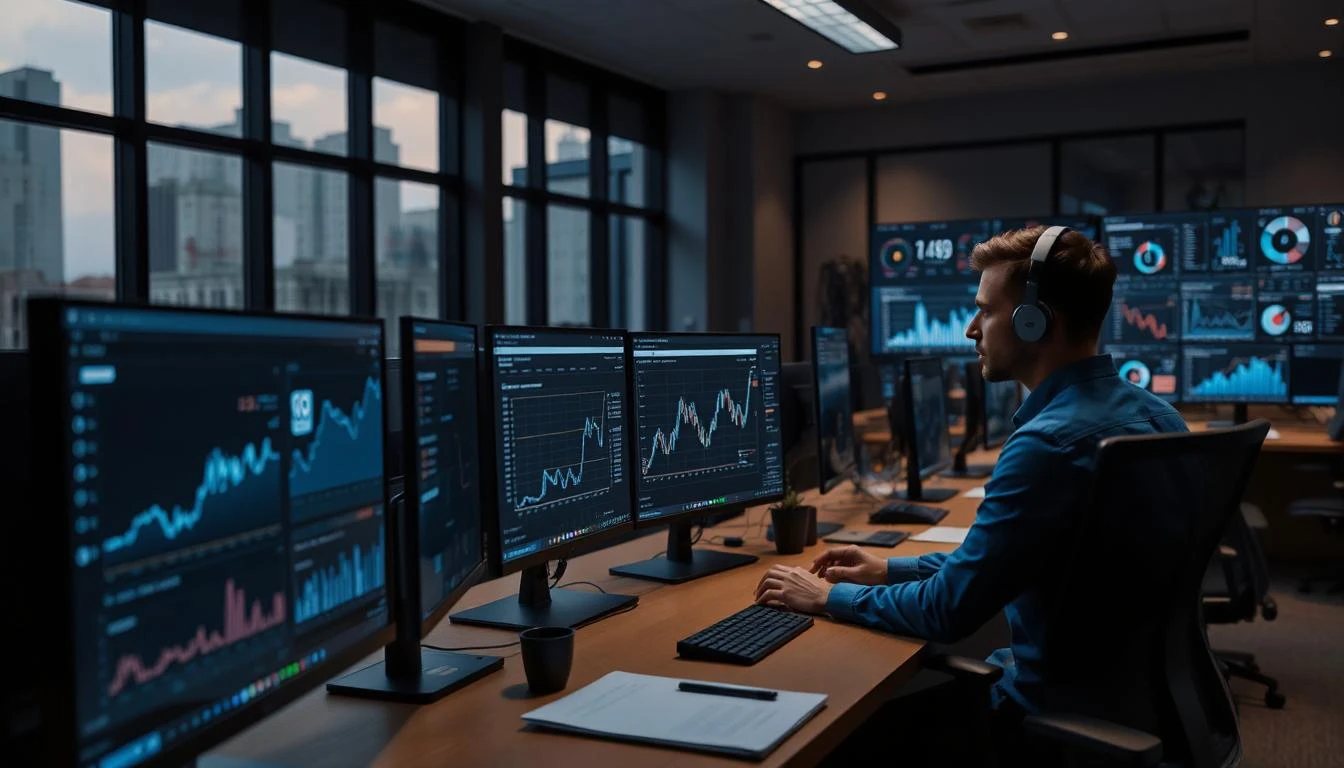
The financial landscape is shifting at a speed that feels almost restless, where information, emotion, and technology collide in real time. You are no longer just observing markets, you are moving inside them, reacting to signals that evolve every second. In this environment, understanding behavior, timing, and digital influence becomes more than an advantage; it becomes a necessity.
Modern investing is no longer confined to institutions or experts behind closed doors. It is now shaped by global participation, instant access, and crowd-driven sentiment that can shift valuations in hours. This is where retail investing trends begin to redefine the rules of engagement, turning everyday users into active market participants rather than passive observers.
Evolution of Retail Investor Behavior in Stock Market
The way investors think, act, and react has transformed dramatically in the last decade. Emotional decision-making, digital accessibility, and social influence now blend into a new kind of trading psychology that didn’t exist before.
Markets are no longer slow-moving systems dominated by quarterly reports alone. Instead, they are dynamic ecosystems shaped by perception, speed, and connectivity. This evolution reflects deeper changes in how individuals interpret opportunity and risk.
Rise of mobile trading apps
The surge of mobile-first platforms has reshaped participation entirely. You can now execute trades within seconds, blurring the line between analysis and impulse. This shift has made stock market behavior more reactive, especially among younger investors who rely on smartphones as their primary financial tool. As financial strategist Michael Hargrove once noted, “Accessibility changes behavior faster than education ever could,” and mobile trading is a perfect example of that transformation.
Influence of social media investing trends
Social platforms have become informal financial hubs where sentiment spreads faster than traditional analysis. Discussions, memes, and viral posts often influence buying pressure in unpredictable ways. The rise of social media investing trends 2026 demonstrates how collective emotion can temporarily overpower fundamentals, creating sudden volatility that traditional models struggle to explain.
Shift from traditional brokers to digital platforms
Traditional brokerage systems are being replaced by intuitive fintech ecosystems that prioritize speed and simplicity. Investors now expect real-time execution, low fees, and user-friendly dashboards. This transition reflects a deeper structural shift toward digital-first investment platforms adoption, where convenience dictates preference and loyalty.
Key Stock Market Trends Driving Participation
Retail participation is expanding rapidly, driven by accessibility, cultural shifts, and innovative financial instruments that lower entry barriers. These movements are reshaping how individuals approach long-term and short-term investing.
The market is no longer a distant institution, it is an interactive environment shaped by communities, apps, and shared narratives. Understanding these trends helps you recognize where momentum originates and how it spreads.
Meme stocks and community-driven investing
Collective enthusiasm has become a powerful force in price movement. Online communities coordinate attention around specific assets, creating sudden spikes that challenge traditional valuation logic. This reflects the rise of community-driven stock market behavior analysis, where sentiment often outweighs fundamentals.
ETF popularity among beginners
Exchange-Traded Funds continue to attract new investors seeking simplicity and diversification. The trend of best ETF strategies for beginner investors in 2026 highlights a preference for structured exposure rather than individual stock picking. Financial economist Laura Bennett once explained, “ETFs democratize diversification in a way individual stock selection never could.”
Fractional investing adoption
Fractional ownership allows participation in high-value assets without requiring large capital. This innovation supports low-budget investing strategies for beginners, enabling broader access to premium stocks and encouraging consistent portfolio building regardless of income level.
Technology Impact on Retail Trading Decisions
Technology has become the invisible engine behind modern investing decisions. Data, automation, and predictive systems now guide choices that were once purely human-driven.
The speed of information flow has compressed decision cycles. What once took hours of research can now happen in seconds, fundamentally changing how investors respond to market movement.
AI-powered trading insights
Artificial intelligence now plays a critical role in identifying patterns, forecasting volatility, and suggesting trade opportunities. Tools using AI-powered stock trading insights for retail investors help simplify complex datasets into actionable signals, although overreliance remains a growing concern among analysts.
Real-time market data accessibility
Instant access to global financial updates has eliminated informational delays. This shift enhances responsiveness but also increases emotional trading behavior. The rise of real-time stock market analytics tools for beginners has made markets more transparent yet more psychologically intense.
Algorithm-based recommendation tools
Recommendation engines now analyze behavior, preferences, and historical performance to suggest investment decisions. This creates a semi-guided investing experience that feels personalized yet automated. As analyst Daniel Mercer states, “Algorithms don’t remove uncertainty, they redistribute it into patterns we think we understand.”
Stay Ahead in Stock Market Trends as a Retail Investor
The modern market rewards awareness as much as action. Staying ahead requires not just reacting to trends but understanding the underlying forces shaping them. When you grasp how retail investing trends evolve, you begin to see patterns instead of noise.
The real challenge is not access to information, but interpretation. Markets move on perception as much as performance, and those who recognize this balance tend to make more grounded decisions over time.
Financial expert Robert Klein once said, “The market is a reflection of collective psychology disguised as numbers,” a reminder that behavior often drives price more than logic.