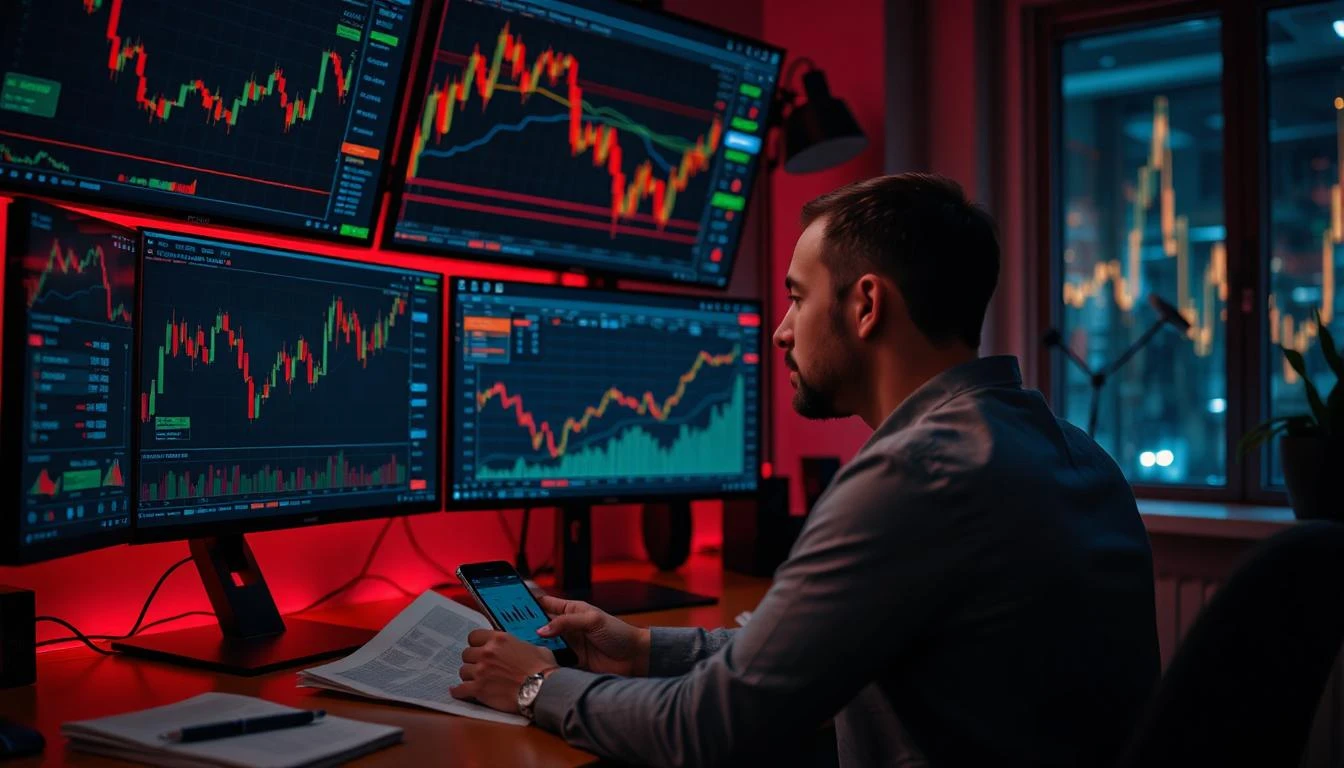
Trading Strategies Used By Active Traders
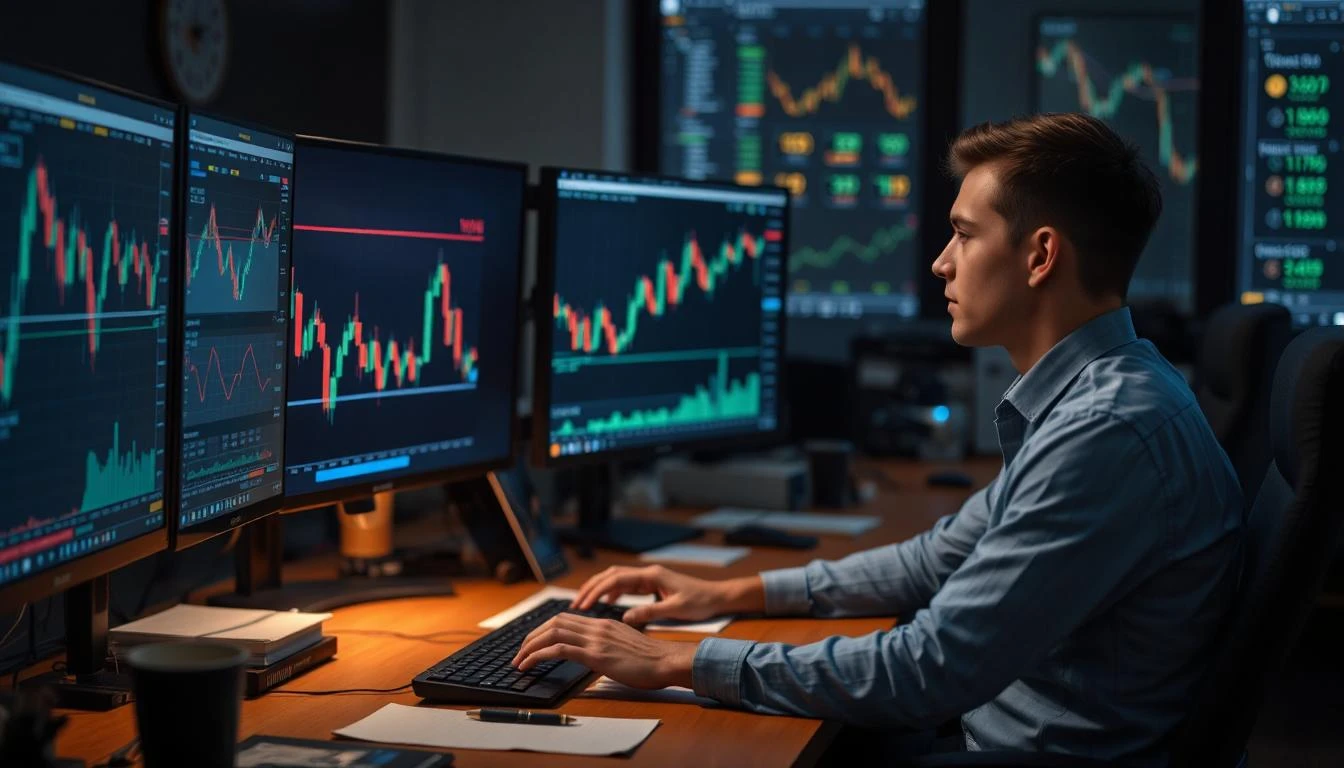
In fast-moving global financial markets, every second feels like a decision point waiting to be claimed. Prices shift without warning, sentiment flips in minutes, and liquidity flows like an unseen current shaping opportunity and risk at the same time. This is the environment where modern traders sharpen their instincts and rely on structured thinking rather than guesswork.
Among the most widely adopted frameworks today are active trading strategies, which allow traders to navigate volatility with precision, speed, and disciplined execution across forex, stocks, and crypto markets.
The global shift toward digital trading ecosystems has made markets more accessible but also more complex. That complexity is exactly why structured methods, risk awareness, and real-time analysis have become essential for survival in modern trading environments.
Core Principles of Active Trading Strategies
Before diving into tactical execution, traders first build a mental and technical foundation that shapes every decision they make in the market. Without these principles, even the most advanced tools lose effectiveness.
Active markets demand clarity, not chaos. Every decision must follow a system that balances opportunity and protection while adapting to rapid price fluctuations.
trading risk methods play a crucial role here, ensuring traders do not expose themselves beyond calculated thresholds when market conditions become unpredictable.
Market timing techniques
Timing the market is less about prediction and more about interpretation. Traders study candlestick behavior, liquidity zones, and macroeconomic triggers to identify optimal entry points. In many cases, moving averages and volatility indicators act as early signals of momentum shifts.
As legendary trader Stanley Druckenmiller once said, “The key to long-term success is not being right all the time, but being right big when you are right.” This mindset reflects how timing, not frequency, defines performance in active markets.
Risk-reward ratio management
Every trade is a calculated imbalance between risk and potential reward. Successful traders rarely enter positions without defining exit boundaries first. A structured risk-reward ratio ensures that even partial success can lead to overall profitability.
This discipline transforms trading from emotional reaction into statistical execution, where consistency outweighs occasional wins or losses.
Discipline in trade execution
Execution is where strategy meets reality. Many traders understand analysis but fail at execution due to emotional interference. Strict adherence to stop-loss levels, entry confirmations, and position sizing rules creates stability in uncertain environments.
As investor Mark Douglas once noted, “Consistency is the result of disciplined thinking, not market prediction.” This reinforces how structure is more valuable than intuition in high-frequency decision-making.
Popular Trading Strategies in Modern Markets
The diversity of financial markets has led to multiple trading styles evolving simultaneously. Each strategy reflects a different psychological and analytical approach to volatility.
Modern traders rotate between styles depending on market behavior, liquidity cycles, and asset volatility, making adaptability a core survival skill.
trading risk methods also shift depending on strategy type, especially when transitioning between short-term and medium-term positions.
Day trading and scalping methods
Day trading focuses on intraday opportunities where positions are opened and closed within the same session. Scalping intensifies this approach by targeting very small price movements with high frequency.
These strategies require extreme focus and fast execution, often supported by algorithmic tools and low-latency platforms.
Swing trading approaches
Swing trading captures price movements over several days or weeks. Traders rely on trend analysis, support-resistance mapping, and macroeconomic catalysts to identify entry zones.
This approach is widely used in equity and commodity markets where price cycles tend to form more predictable waves.
Momentum-based trading strategies
Momentum trading follows the principle that strong price movements often continue until external forces interrupt them. Traders monitor volume surges, breakout levels, and trend confirmations.
As financial analyst Linda Raschke stated, “Momentum is the market’s way of showing conviction, follow it, don’t fight it.” This reflects how traders align themselves with market strength rather than opposing it.
Tools and Indicators Used by Active Traders
Modern trading is heavily influenced by technology, where data-driven insights replace emotional interpretation. Tools have become extensions of trader cognition, helping decode complex price structures.
After understanding strategy, traders rely on indicators and platforms to refine execution precision and reduce uncertainty.
trading risk methods are often integrated directly into trading platforms through automated stop-loss systems and exposure limits.
Technical indicators like RSI and MACD
RSI helps traders identify overbought or oversold conditions, while MACD highlights momentum shifts and trend reversals. These indicators act as early warning systems in volatile markets.
When used together, they form a layered confirmation structure that increases decision accuracy.
Chart pattern analysis tools
Patterns such as triangles, flags, and head-and-shoulders formations reveal psychological behavior behind price movements. These formations often signal continuation or reversal depending on volume confirmation.
Traders use these visual structures to anticipate market direction with higher probability setups.
Automated trading platforms
Automation has transformed trading execution by removing emotional bias entirely. Algorithmic systems execute trades based on predefined conditions, ensuring consistency and speed.
This technological evolution has made active trading strategies more scalable and less dependent on manual intervention.
Master Active Trading Strategies for Better Profits
The real challenge in trading is not identifying opportunities but sustaining performance across different market cycles. Markets change, but discipline remains the constant factor that defines success.
Traders who refine their systems continuously, testing, adjusting, and optimizing, build resilience against volatility. According to economist John Maynard Keynes, “The market can remain irrational longer than you can remain solvent,” a reminder that survival depends more on risk control than prediction accuracy.
The integration of structured analysis, emotional control, and adaptive thinking creates a sustainable edge in competitive markets.